
Adrian Zecha, the visionary Behind Aman,
unveils Azuma Farm Koiwai — the art of slow living in Japan
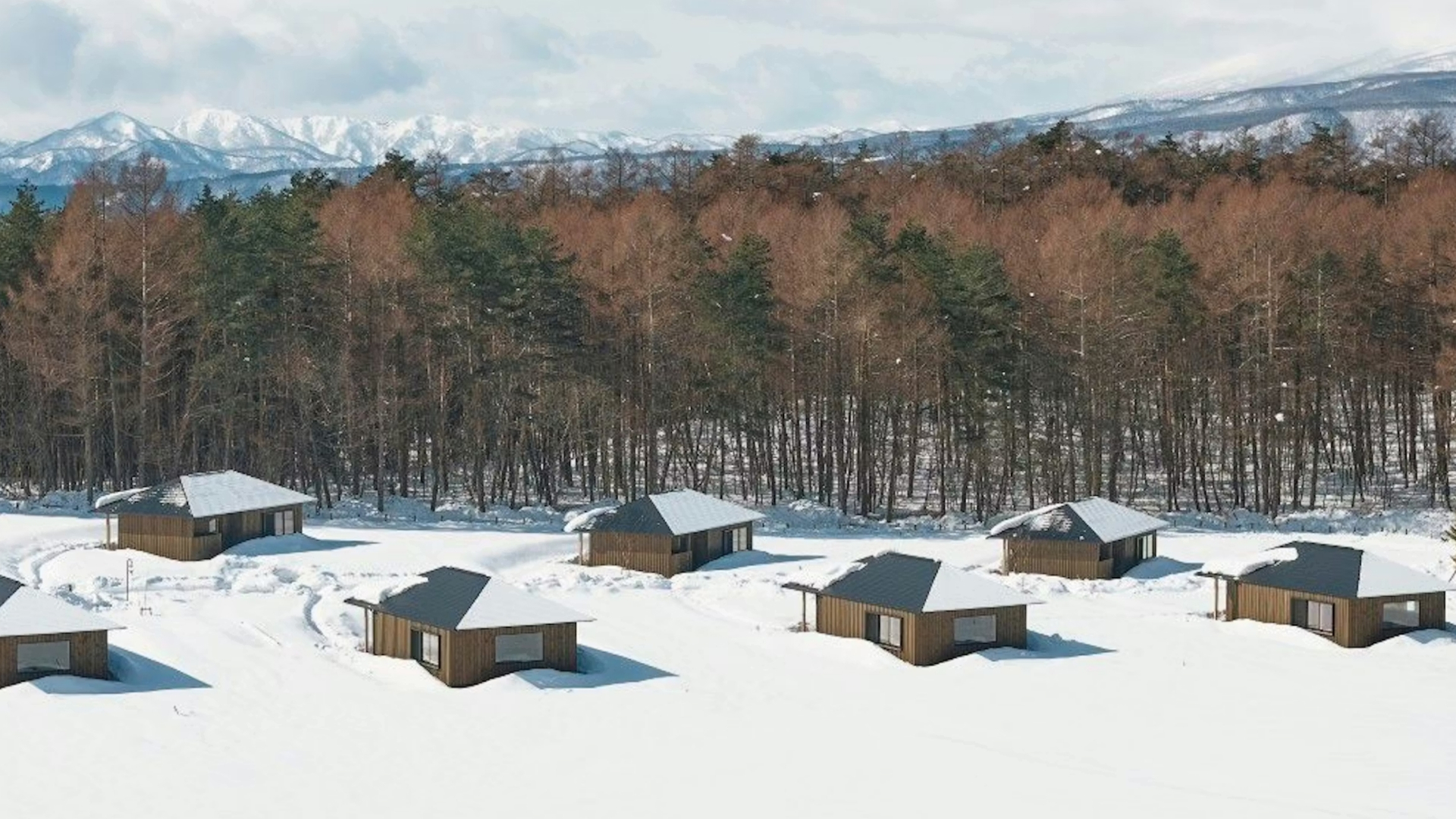
Legendary Indonesian hotelier Adrian Zecha — the mind behind Aman Resorts, Regent Hotels and GHM Hotels — continues to redefine the language of luxury. This time, however, the man who shaped decades of elevated travel turns deliberately in the opposite direction: toward stillness, elemental simplicity, and a life attuned to the rhythms of nature.
His latest project, Azuma Farm Koiwai, is set within the historic Koiwai Farm in Japan’s northern Iwate Prefecture. Developed in partnership with East Japan Railway Company, the retreat is conceived as a meditation on “returning to origins.” Absent is the polished theatricality often associated with Zecha’s earlier ventures; in its place, a quieter invitation — to reconnect with the land and to inhabit a slower, more deliberate pace of living.
Instead of a single structure, the layout unfolds across the landscape: just
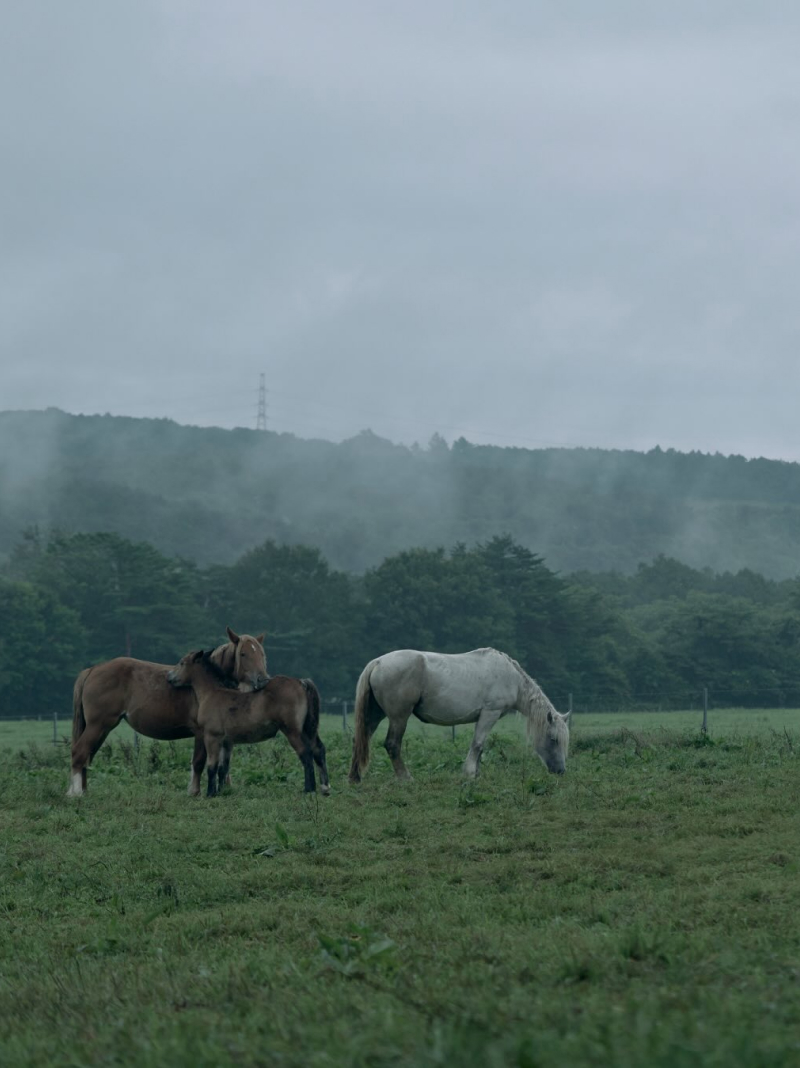
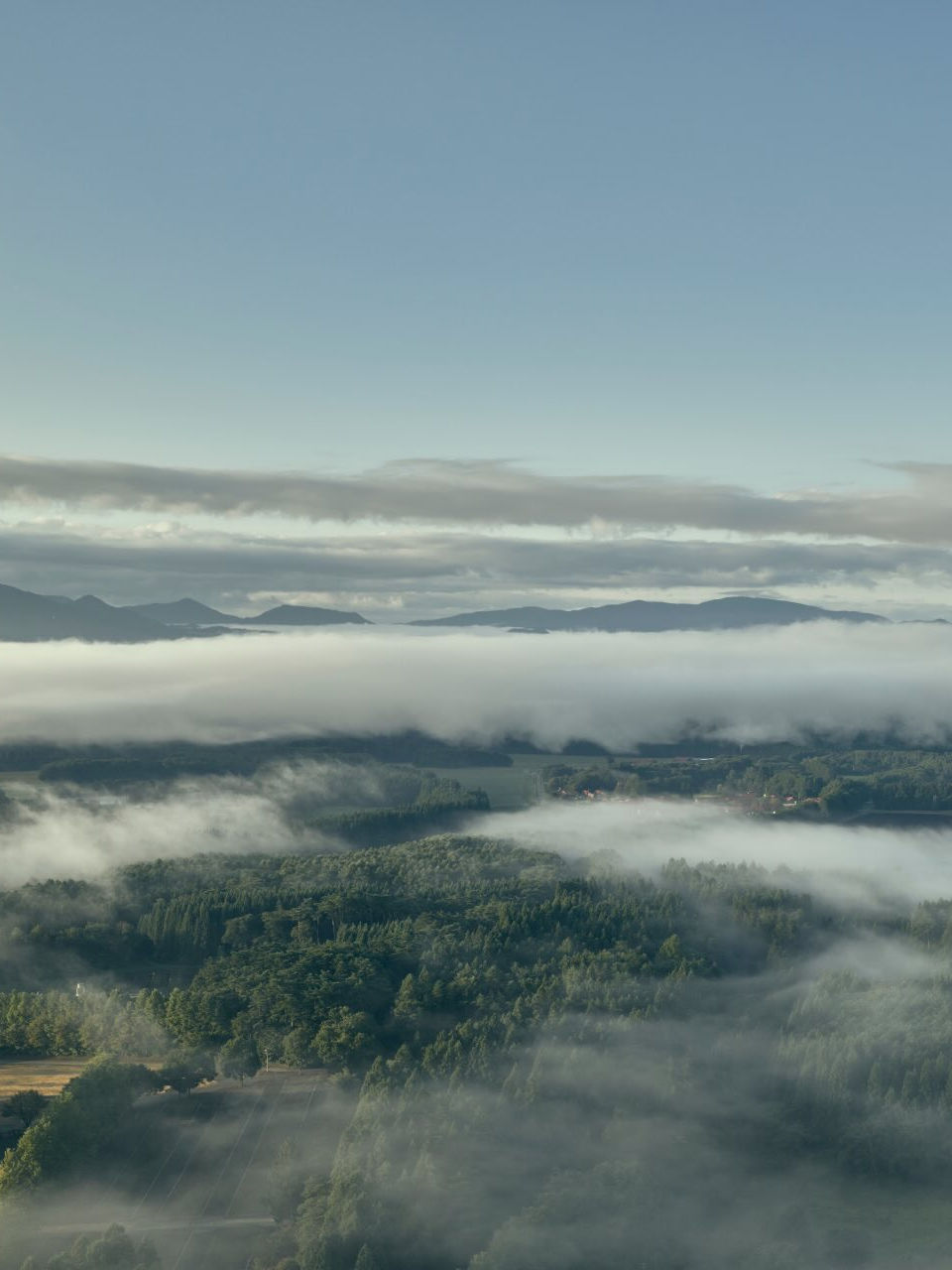
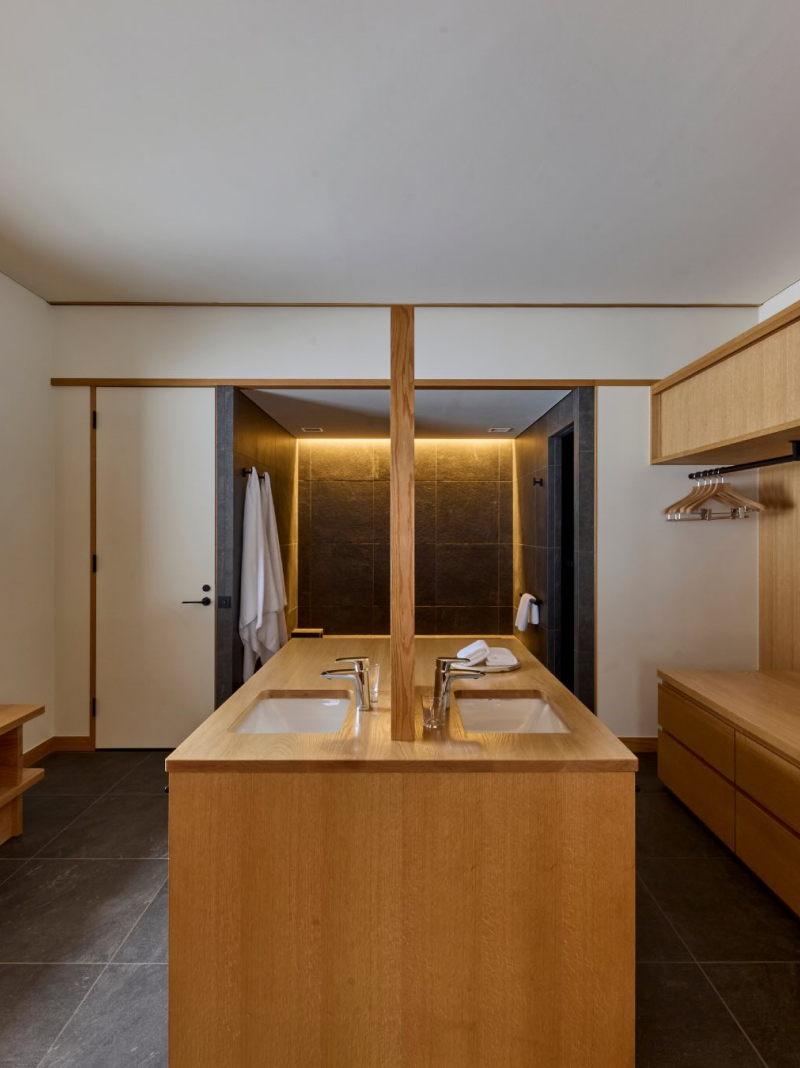
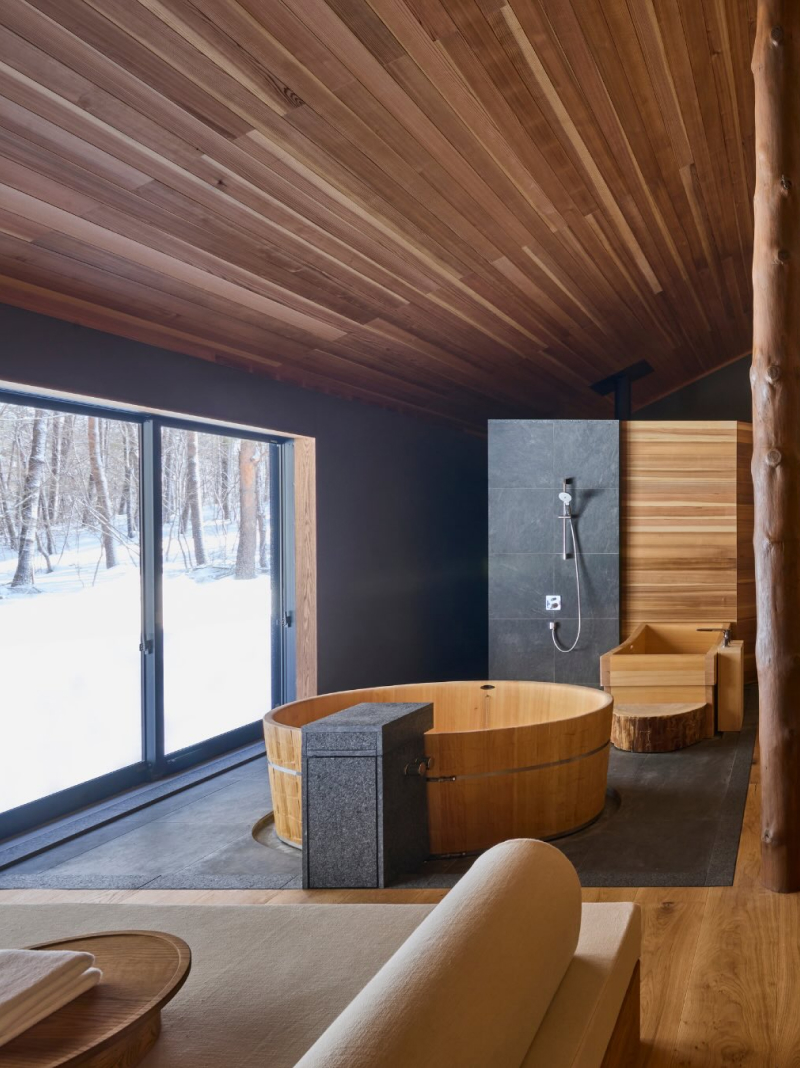
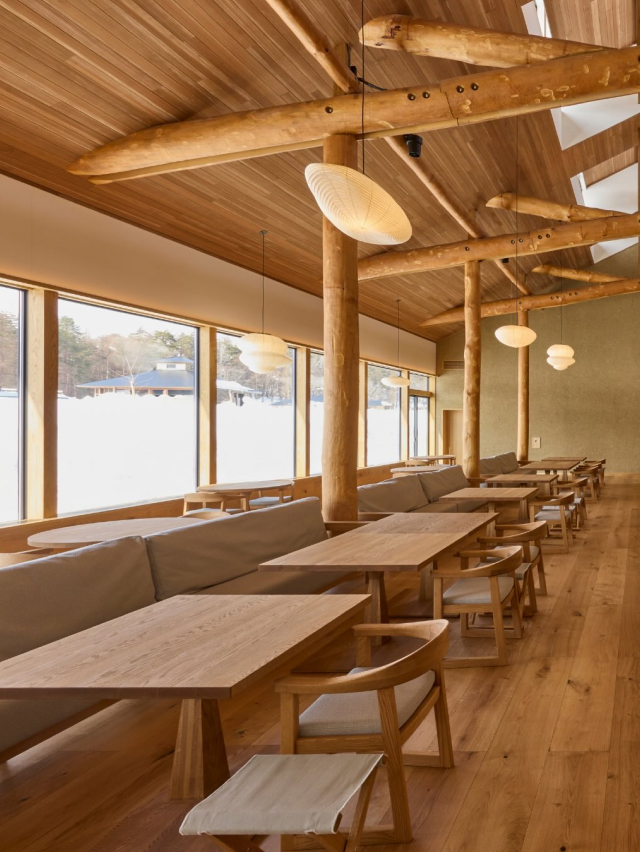
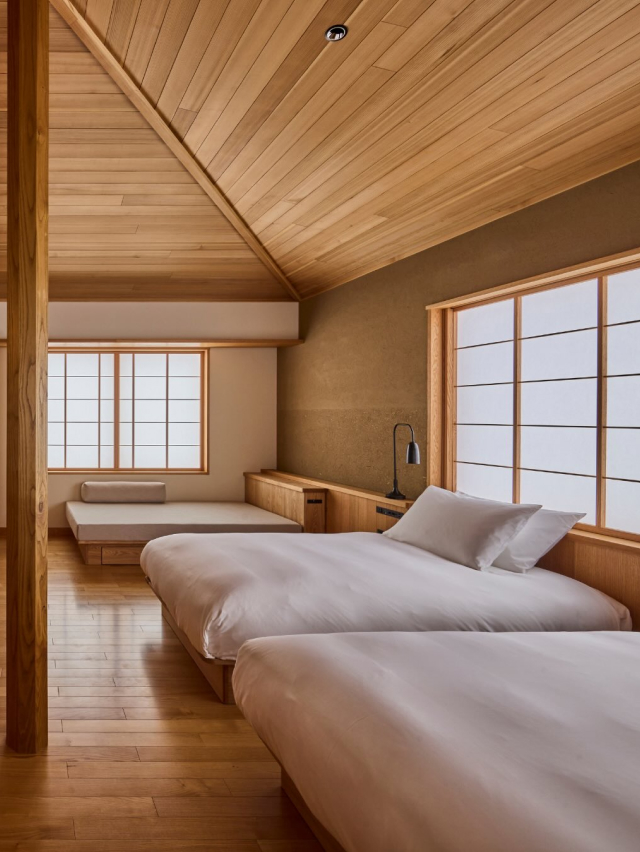
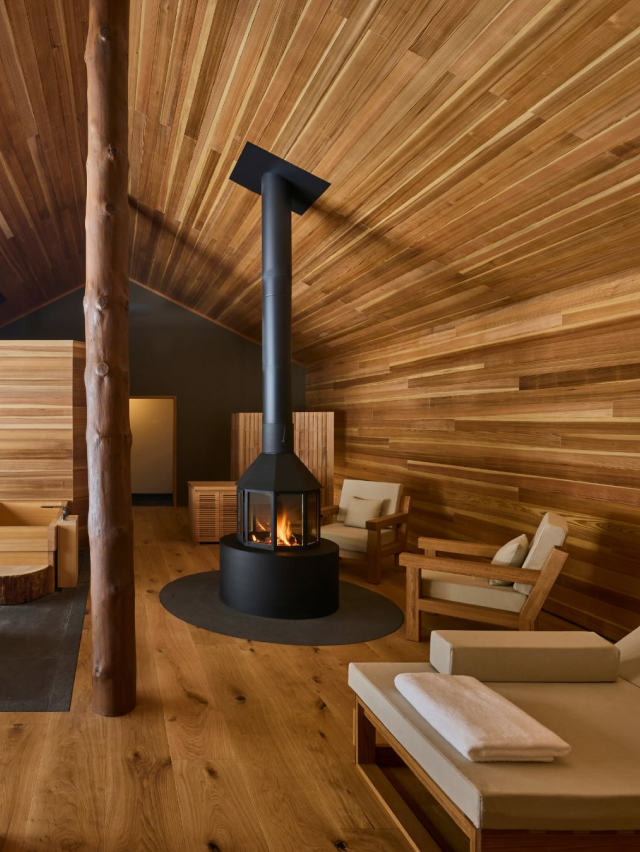
The property spans eight hectares within the farm’s 130-year-old grounds.24 standalone dwellings designed by Kyoto-based architect Shiro Miura. The interiors, rendered in natural wood, draw subtle inspiration from the poetic sensibility of Kenji Miyazawa, the region’s most revered person. Encircled by mountains, forest and pastureland, the setting offers a profound sense of seclusion — yet remains effortlessly within reach, with Tokyo just two and a half hours away by train.
Activities here follow the same simple approach.
In place of conventional spa rituals and retail indulgences, guests are invited to ride across open landscapes, walk forest paths, and dine on ingredients cultivated in the surrounding fields (a sauna, discreetly, remains part of the offering). The project’s defining feature, however, lies in its access to Japan’s enduring craft traditions. Guests may visit the forge of the Koizumi family, where the eleventh generation continues to produce Nanbu Tekki teapots using techniques dating back to the 17th century. Elsewhere, they can explore the intricate lacquer practice of Jōbōji urushi — a method still employed in the restoration of Japan’s ancient temples and shrines.
At its core, Azuma Farm Koiwai is shaped by what the brand describes as “restorative tourism” — a philosophy grounded in simplicity, manual engagement, and a renewed intimacy with the natural world. If happiness indeed favours quiet, it is precisely this kind of quiet.
Note:
The official opening of Azuma Farm Koiwai is scheduled for 23 April 2026.