
Why collecting experiences,
not things, is the new luxury
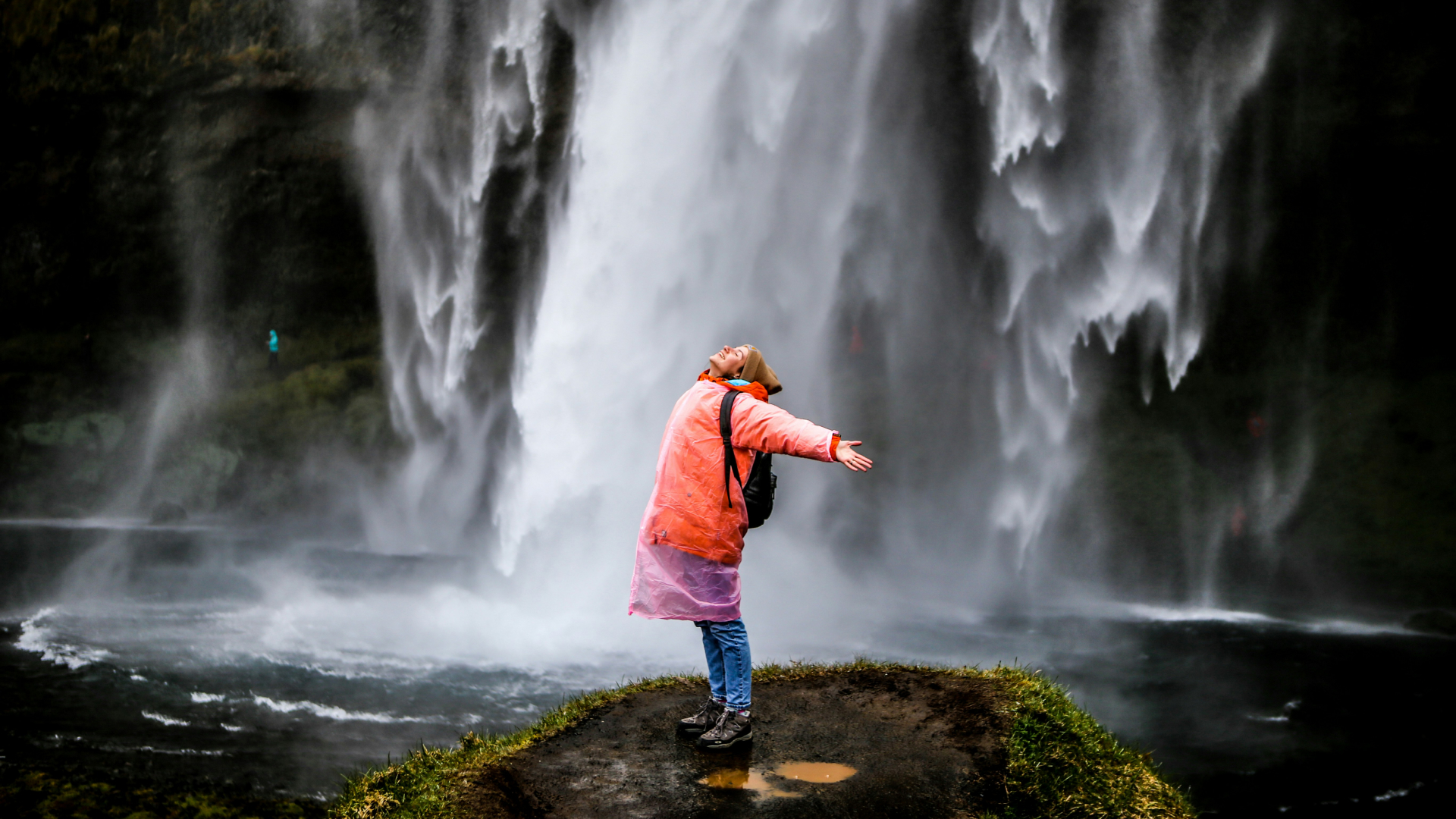

Every generation has its own set of values. Our parents dreamed of property — their own square metres, their own patch of land. What do we dream of, and what do our children? According to recent research, a clear shift is underway: people are less and less drawn to accumulating things — apartments, cars, expensive gadgets, handbags — and increasingly committed to collecting experiences. Scientists confirm what many have long suspected: money spent on emotions yields a deeper and more lasting satisfaction than money spent on objects.
Millennials, and Gen Z in particular, have no patience for a life postponed. They have no interest in spending a career at the same desk in order to one day secure a mortgaged flat or a plot of land: they want the life that is available now, investing in their own experience rather than in the uncertain promise of future possession. Global turbulence has only sharpened this instinct. When borders open and close without warning and currencies lose their footing, the impulse to seize every opportunity for new emotion — immediately, while it exists — becomes entirely rational.
Running alongside this is what has come to be called the sharing economy. According to Research & Markets, the global sharing market will grow from 244.8 billion in 2025 to 752.83 billion by 2030. The reason is straightforward: people increasingly choose access over ownership. This extends well beyond renting apartments or hiring cars — it includes practical things like borrowing camping equipment, bicycles, or paddleboards, without the burden of storage or maintenance. It allows people to try something new, without significant outlay and without the risk of ending up with an inflatable boat and a case of seasickness.
Another shift of recent years is the move from loud luxury to what might be called quiet luxury — not minimalism or austerity, but personalised service, an individual sensibility, and genuine attention to detail. It is no longer sufficient to be a glamorous resort with comfortable rooms and a good restaurant. What draws people now is a singular experience, not a standard set of five stars. According to the consultancy Hotconsulting, 61% of developers are already revising their strategies in favour of hybrid, multipurpose spaces that are genuinely capable of surprising.
In 2026, the most sought-after destination is not a place — it is a deeper understanding of oneself.
The annual Booking.com study — based on surveys of more than 29,000 people across 33 countries — concluded that the year ahead will be the ‘Era of Me’: a moment when travel turns towards the personal needs of the individual, and new technologies help realise even the most particular of requests.
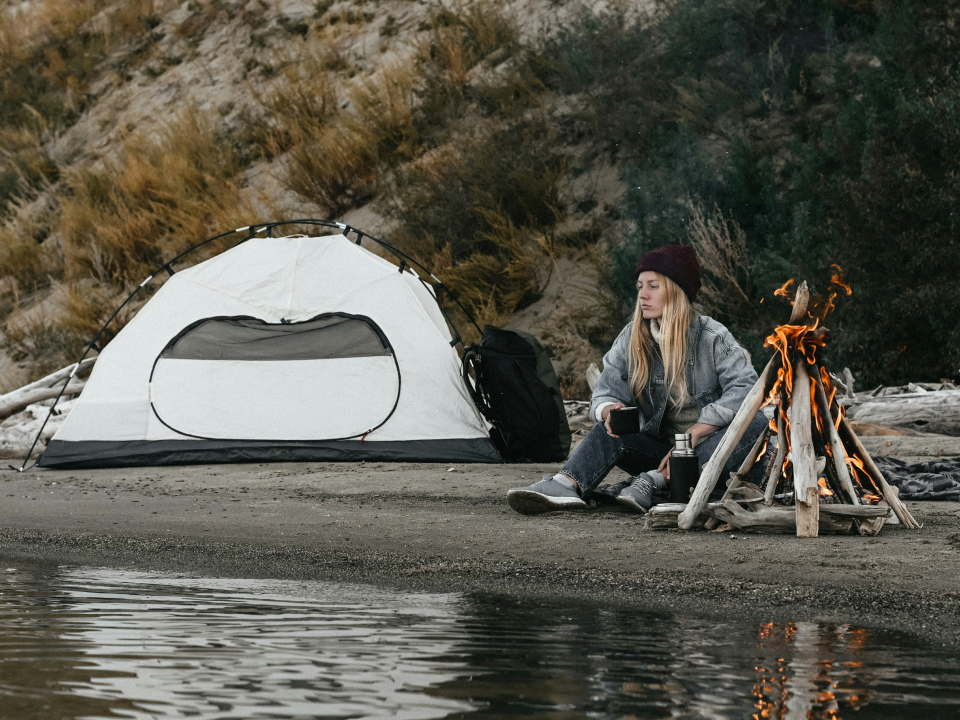
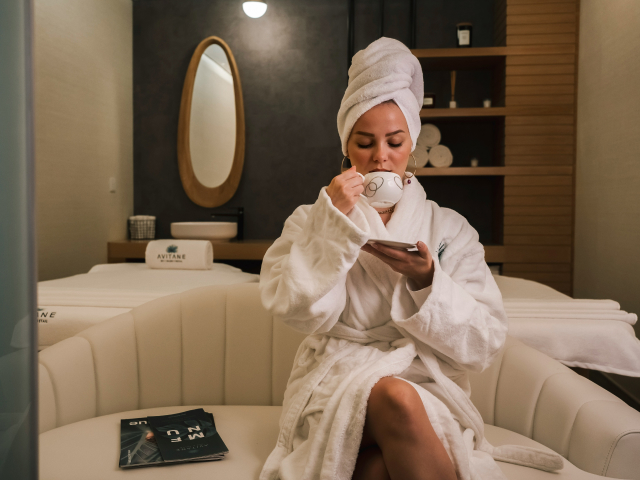
Among the forces driving this kind of travel, experts point to several distinct tendencies. One is the Romantasy phenomenon, born of pop culture and gaming, which finds 71% of travellers willing to journey to places mentioned in beloved books and films, and 53% prepared to take part in role-playing retreats (whatever, precisely, that may entail). The noise of the news and the constant pull of gadgets are driving a growing demand for quiet hobbies: people are increasingly choosing fishing, birdwatching, and meditation in nature over crowded beaches and late-night clubs. A third tendency follows the rise of health and beauty technology: almost 80% of travellers say they would set off today on a beauty tour incorporating specialist clinics, individual practitioners, or tailored programmes for wellbeing and longevity.


The good news: you no longer need a particular reason to travel.
Surveys suggest that the era of waiting for a wedding or a milestone birthday has passed. It is enough simply to want to go. Or to invent your own occasion: a relationship ended, an exam passed, a loan paid off, a tax return filed. What matters is that an emotion stands behind it, and a new experience follows. Life moves quickly, and the world changes faster than any of us can track. When life hands you lemons — make something worth remembering. The future cannot be predicted. Today, at least, can be made extraordinary.